Afghanistan eSIM – fast mobile internet without a physical SIM card 🇦🇫
PDSkyalo Plans DeskPlan comparison editors
February 26, 2026 at 9:10 AM • 10 min read
Need internet in Afghanistan?
Compare quick Skyalo eSIM plans and choose the right data amount before your trip.
Afghanistan is a country of rich history, ancient Silk Road routes, and the mountain landscapes of the Hindu Kush. Despite challenging infrastructure, mobile service is well developed in major cities–especially Kabul, Herat, and Mazar-i-Sharif. However, buying a local SIM card can involve registration and bureaucratic procedures. That’s why an eSIM is the most convenient solution for travelers and professionals who need internet from the very first minutes.
🧭 Internet in Afghanistan for tourists – what you need to know
Afghanistan isn’t among the countries with affordable international roaming. Roaming mobile data can cost $10–$30 per 1 GB, depending on your home carrier.
You can buy a physical SIM card from local operators, but you’ll need:
passport
SIM registration
a visit to an official store
time for paperwork
In some regions, coverage quality varies. In the capital and major cities, 4G is available; in remote areas, it’s 3G or lower.

Before choosing a plan, check whether your phone supports eSIM, choose the right data amount, and keep the iPhone or Android setup guide handy.
💸 Roaming, physical SIM, or eSIM – what to choose
Criteria | Roaming | Physical SIM | eSIM⭐ |
|---|---|---|---|
Cost | High | Medium | Best value |
Passport | No | Yes | No |
Registration | No | Yes | No |
Activation time | Instant, but expensive | 20–60 minutes | 2–5 minutes |
Internet on arrival | Yes | No | Yes |
Find a store | Not needed | Required | Not needed |
👉 For short trips and business visits, an eSIM is the fastest way to get internet in Afghanistan.
🌍 Why are more travelers choosing eSIM?
No paper registration
Set up before you fly
Online right after landing
No need to look for a mobile store
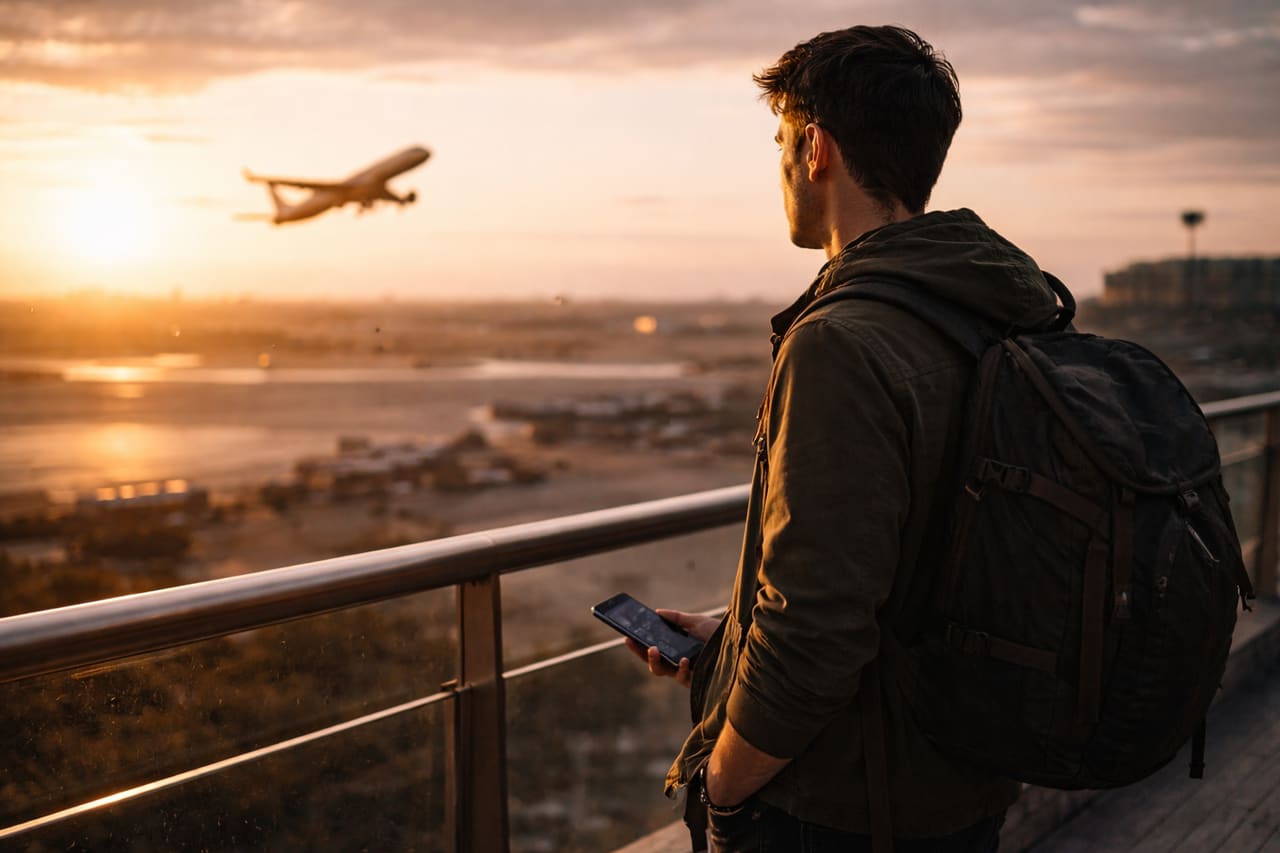
Online right after arrival – an eSIM lets you get internet access in the airport and start your trip without waiting

📊 Best eSIM providers for Afghanistan in 2026
Provider | Plans | Price from | Networks | Validity |
|---|---|---|---|---|
Skyalo ⭐ | 1–20 GB | ~$13.5 | Roshan, MTN | 7–30 days |
Airalo | 1–5 GB | ≈$15 | Roshan | 7–30 days |
Nomad | 1–5 GB | ≈$17 | MTN | 7–30 days |
Holafly | Unlimited / 5–10 GB | ≈$30–$50 | Roshan | 7–30 days |
Ubigi | 1–10 GB | ≈$18 | MTN | 7–30 days |
Why Skyalo is the top choice for Afghanistan:
The most flexible bundles from 1 to 20 GB – ideal for different types of trips
Connects to the country’s key networks (Roshan and MTN)
Easy activation before your trip or right after landing
Clear pricing and fast plan selection
Popular eSIM plans: Afghanistan
Three fixed-data Skyalo plans for Afghanistan: the best-priced 3 GB, 5 GB, and 10 GB options available in the catalog.
- Instant delivery
- Setup in minutes
- 24/7 support
3 GB
Lowest priceAfghanistan eSIM: 3 GB for 15 days
Data3 GB
Validity15 days
$35.40$11.80 per GB
5 GB
Balanced pickAfghanistan eSIM: 5 GB for 30 days
Data5 GB
Validity30 days
$48.99$9.80 per GB
10 GB
Best per GBAfghanistan eSIM: 10 GB for 30 days
Data10 GB
Validity30 days
$82.99$8.30 per GB
🧭 How much data do you need in Afghanistan
Your data needs depend on your trip purpose and the region. In Kabul and major cities, 4G is more stable; in remote areas, it’s better to have a small data buffer.
3–5 GB — basic use
Navigation in Kabul, messengers, email, bookings. Suitable for 7–10 days of a relaxed trip.
5–10 GB — active travel
Frequent map use, video calls, posting photos, and cloud work.
10 GB+ — working online
Zoom, VPN, file transfers, tethering to a laptop.
👉 For most trips to Afghanistan, 5 GB is the best option – comfortable and without overpaying.
⚡ How to connect an Afghanistan eSIM in 2 minutes?
Select the country — Afghanistan
Choose a plan by data and duration
Pay online
Scan the QR code
The internet activates when you connect to a local network in the country.

🔐 Safety and connectivity in Afghanistan
With unstable infrastructure, it’s important to have:
a stable connection
access to online maps
the ability to quickly contact colleagues or family
An eSIM lets you connect without visiting mobile stores and minimizes setup time.
Route ideas📍 20 attractions in Afghanistan – travel with an eSIM
The full travel list is preserved, but collapsed so the eSIM plans, setup tips, and FAQ stay easier to scan.
Afghanistan is a country of ancient civilizations, mountain passes, and historic Silk Road routes.
Modern travel in Afghanistan is hard to imagine without mobile internet. Navigating mountain roads, coordinating with a driver or guide, looking up attraction info, checking weather conditions, and staying in touch with loved ones–all of this requires a stable connection. An eSIM lets you stay online without in-store registration and without having to swap a physical SIM card.
With an eSIM, internet is available as soon as you connect to a local network–especially convenient when moving between regions and visiting remote locations.
1. Kabul City
Kabul is the capital of Afghanistan, set against the Hindu Kush mountains. The city blends old quarters, bazaars, government buildings, and modern districts. Getting around Kabul requires accurate navigation—streets can be confusing, and addresses aren’t always intuitive.
An eSIM lets you open maps right after arrival, book a transfer, and contact your host without searching for a mobile store.

2. Bamiyan Valley
Bamiyan is known for its historic niches where giant Buddha statues once stood. The region is surrounded by cliffs and mountains, creating a striking landscape.
Tourists use an eSIM to find routes through the valley, book guesthouses, and read historical information on-site during the tour.

3. Band-e Amir National Park
Band-e Amir is a national park with a chain of turquoise lakes surrounded by limestone cliffs. It’s one of the most scenic places in the country. The road here crosses mountain areas, so eSIM internet helps you check the route in advance, coordinate the trip with your driver, and share landscape photos in real time.

4. Herat Citadel
The Herat Citadel is a historic fortress more than a thousand years old. It rises above the city and is a symbol of the region.
Travelers use an eSIM to learn the fortress’s history, check museum hours, and coordinate further travel around the city.

5. Blue Mosque
The Blue Mosque in Mazar-i-Sharif is one of Afghanistan’s most recognizable architectural landmarks. Tourists come to see the mosaics and majestic domes.
With an eSIM, you can quickly find nearby cafés, check visiting hours, and coordinate getting around the city more safely.

6. Panjshir Valley
Panjshir is a mountain region with a scenic river and high ridges. Roads here run through gorges and require precise navigation.
An eSIM is especially useful in places like this—you can check maps, share your location, and stay connected even outside major cities.

7. Minaret of Jam
The Minaret of Jam is a UNESCO World Heritage Site located in a remote valley. The journey is challenging and requires planning. Using an eSIM lets you download maps in advance, check weather conditions, and coordinate the route with local guides.

8. Kandahar
Kandahar is one of the country’s oldest cities and has major historical significance.
Tourists use an eSIM for navigation around markets and historic sites, and for contacting local connections and drivers.

9. Istalif
Istalif is known for traditional pottery and artisan workshops. It’s a picturesque mountain village often visited on a day trip from Kabul.
An eSIM helps you find workshops, check routes, and share photos of the crafts.

10. Qargha Lake
Qargha Lake is a popular getaway spot near Kabul for picnics and walks.
After relaxing, it’s convenient to call a taxi or check the route back to the city using eSIM internet.

11. Takht-e Rostam
Takht-e Rostam is an ancient Buddhist complex carved into the rock near Samangan. It’s a unique site that attracts history and archaeology enthusiasts. Getting here involves mountain roads, so travelers plan the route in advance.
An eSIM lets you use online maps and stay connected on the way.

12. Ghazni Minarets
The Ghazni Minarets are 12th-century architectural monuments in the southeast of the country. This is an important historical center linked to the Ghaznavid era.
Tourists use an eSIM to look up information and plan routes between the city’s historic sites.

13. Wakhan Corridor
The Wakhan Corridor is a remote mountain region in the country’s northeast, known for its high-altitude scenery and cultural heritage. It’s a destination for experienced travelers.
In these conditions, stable connectivity is especially important—an eSIM helps you download maps in advance and stay in touch with guides.

14. Balkh
Balkh is considered one of the region’s oldest cities and is often called the “mother of cities.” Ruins of ancient structures and historic monuments have been preserved here.
An eSIM helps you quickly find information on sites, opening hours, and routes within the city.

15. Pul-e Khumri
Pul-e Khumri is a key transport hub in the north of the country. Travelers heading to mountain regions often stop here.
An eSIM is handy for coordinating transport and checking onward routes.

16. Nuristan
Nuristan is a mountain region with a unique culture and nature—one of the most scenic corners of the country.
eSIM internet lets you research routes in advance and stay connected when traveling through hard-to-reach terrain.

17. Tora Bora Mountains
The Tora Bora range is known for its landscapes and rugged terrain. Trips here require preparation.
Travelers use an eSIM to download offline maps and coordinate the route.

18. Jalalabad
Jalalabad lies in a warmer climate zone of the country. The city is known for its gardens and historic sites.
An eSIM is convenient for navigation and staying connected around the city.

19. Darul Aman Palace
Darul Aman is a historic palace in Kabul, restored in recent years. It’s one of the capital’s most photogenic places.
Tourists often use an eSIM to post photos and find information about visiting times.

20. Shahr-e Gholghola
Shahr-e Gholghola is an archaeological complex in the Bamiyan Valley–ancient ruins with views of the surrounding mountains.
An eSIM helps tourists navigate the route and explore historical information right on site.

Afghanistan is a destination for mindful, well-prepared travelers interested in Central Asian history, architecture, and nature. With complex geography and varied infrastructure, reliable connectivity becomes not just a convenience but a necessity.
If mobility, safety, and fast access to information matter to you, an eSIM remains the most practical way to get internet in Afghanistan.
Useful before your trip
Quick setup guides and nearby destinations if your route crosses more than one country.
Related Articles

eSIM at the 2026 World Cup: how fans can stay online in the USA, Canada and Mexico ⚽
Heading to the 2026 World Cup? Find out how eSIM can help you stay online in the USA, Canada and Mexico: tickets, maps, taxis, fan zones, and match-day connectivity.

eSIM for Traveling to Saudi Arabia - How to Stay Online in a Land of deserts, megacities, and long-distance routes 🇸🇦
Which internet option should a tourist choose in Saudi Arabia? We break down the best eSIMs, prices, coverage, data allowance, validity period, and easy setup before you fly.

The best eSIM for travel to the Faroe Islands 🇫🇴
Internet in the Faroe Islands without roaming. Compare eSIM providers, prices, coverage, how many GB you need, and how to connect in 2 minutes.